What Can Be Printed on a Flatbed Printer? A Guide for Retail & Commercial Projects
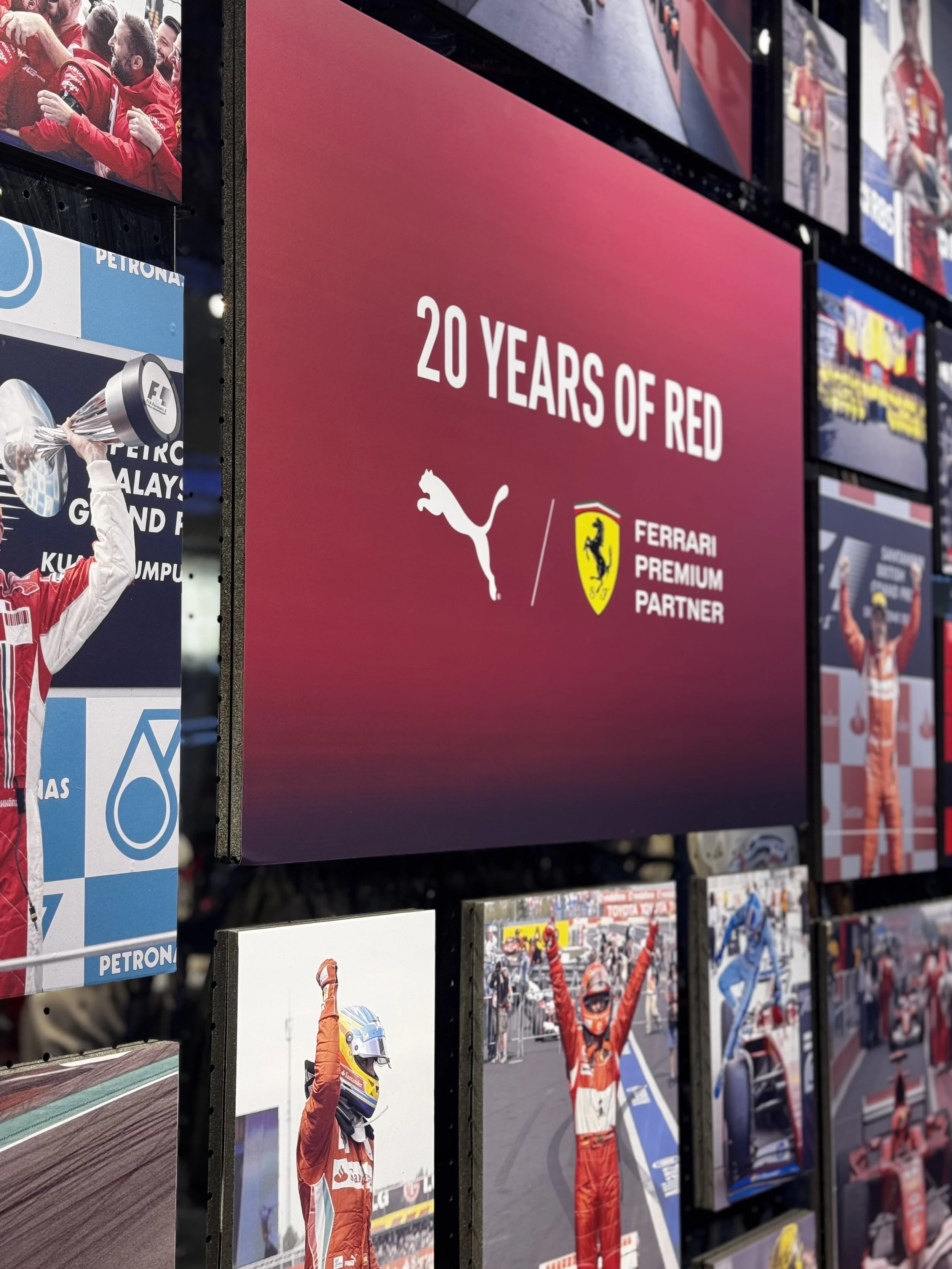
Flatbed printing has changed how brands approach environmental graphics. Instead of relying solely on vinyl, companies can now print directly onto rigid substrates that become part of the built environment—ready for fabrication, mounting, and long-term use.
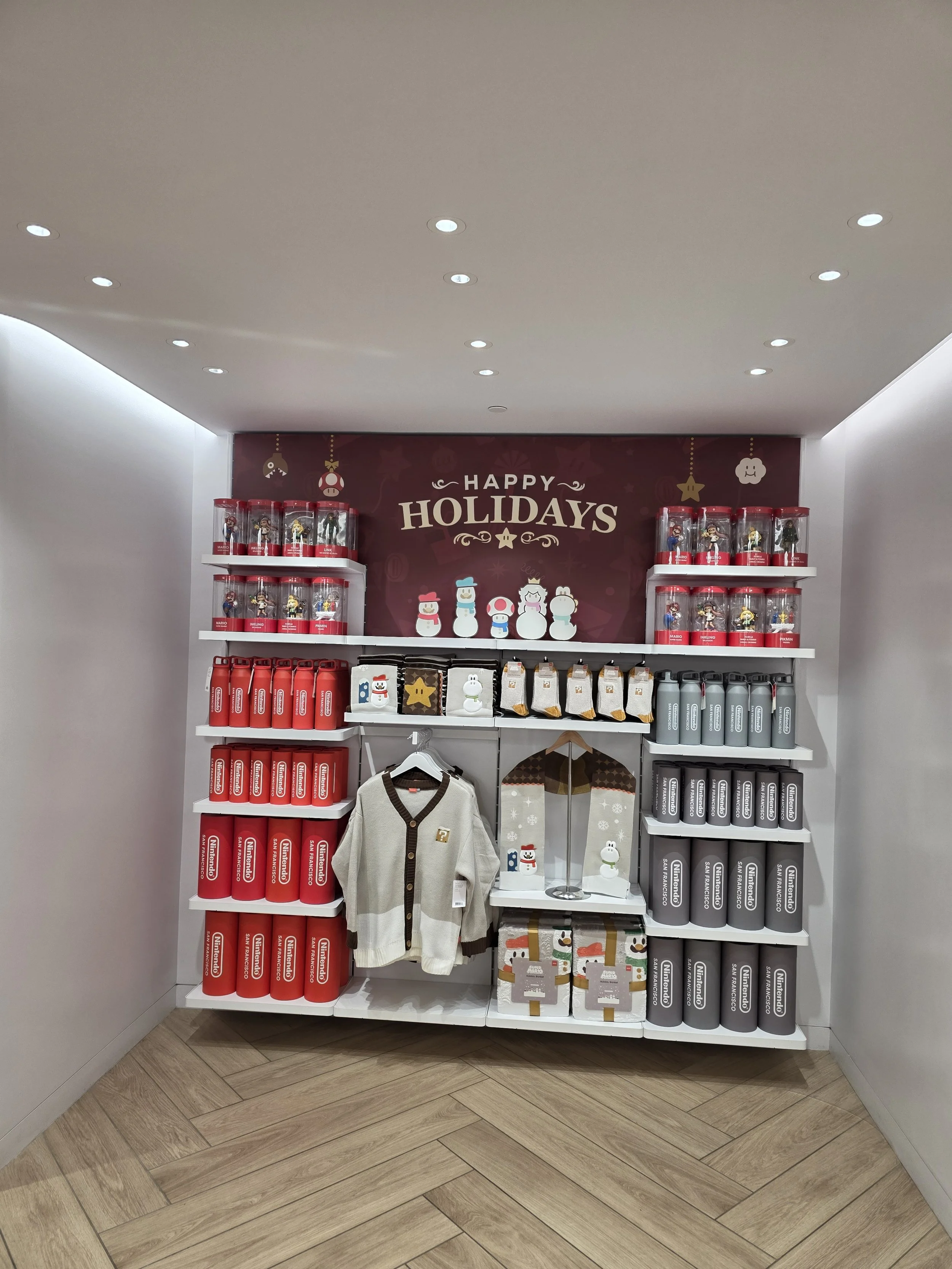
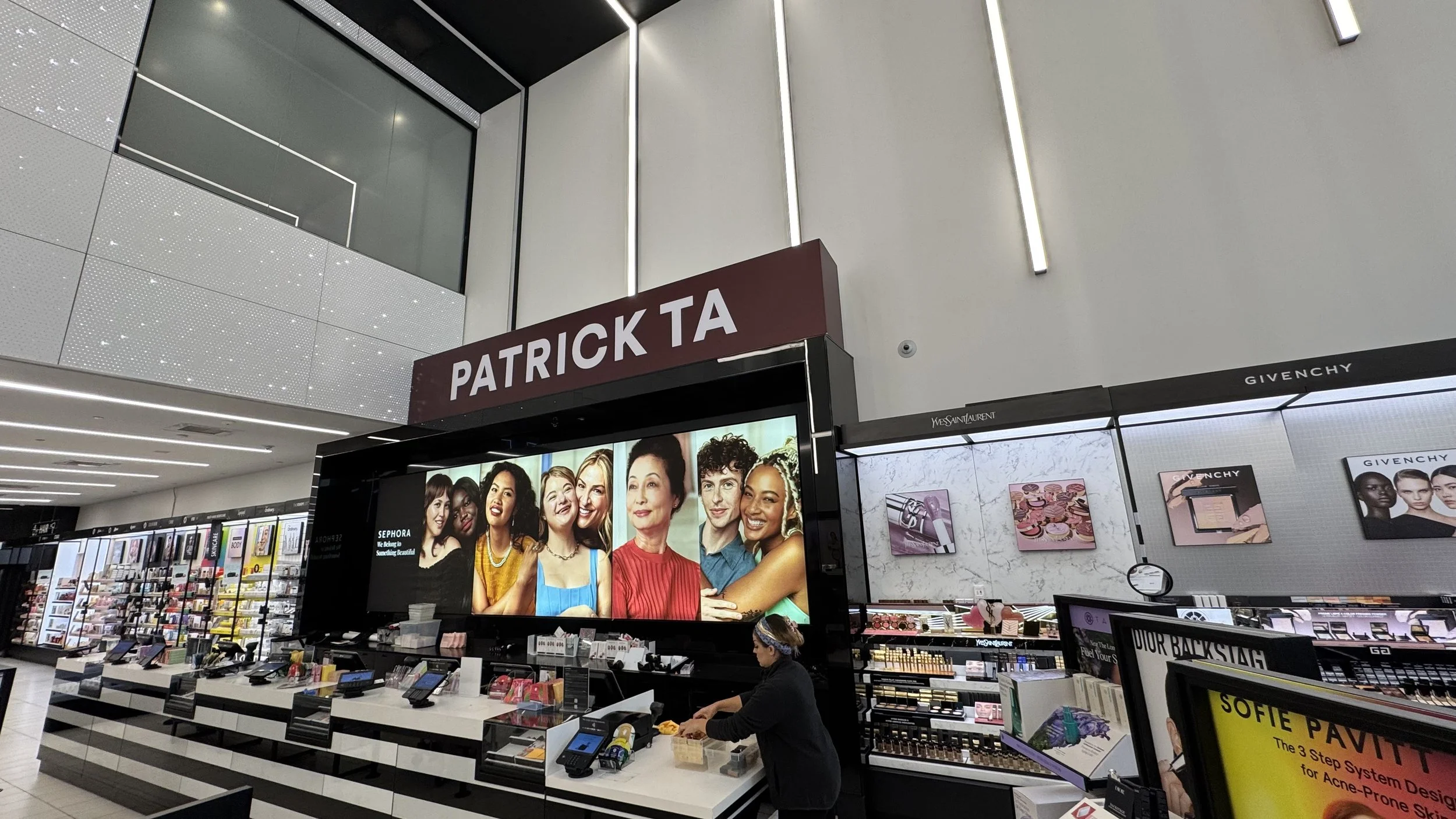
For retail, corporate, and commercial spaces, this opens the door to more durable graphics, dimensional signage, and installation-ready components that integrate seamlessly into fixtures, walls, and architectural elements.
At Vivid Graphic Solutions, flatbed printing is used as part of a broader execution strategy—producing rigid graphics that are designed with real-world installation, longevity, and brand consistency in mind.
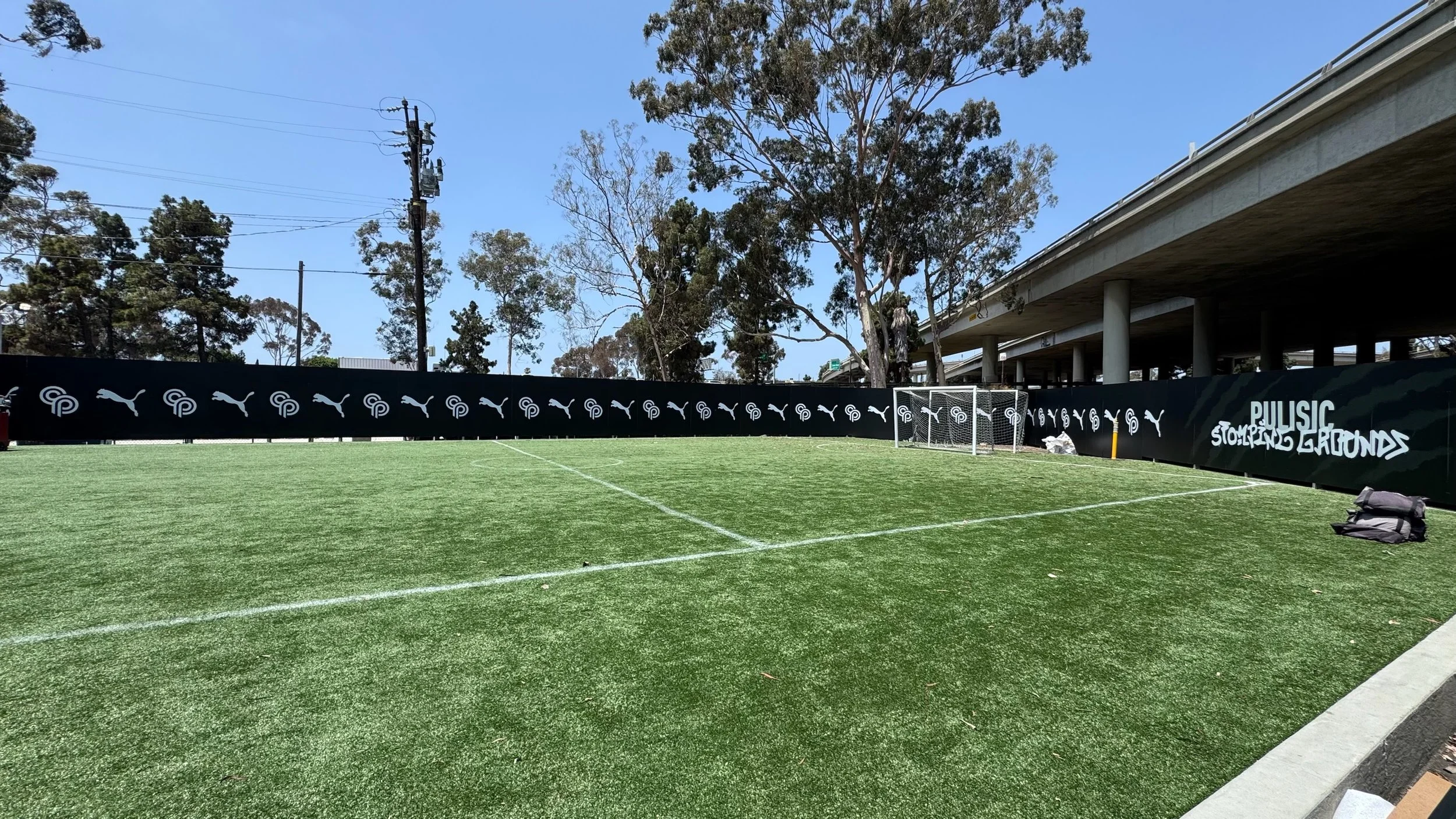
Direct-to-print ACM panels installed as perimeter fencing for a soccer field, providing durable, weather-resistant branding with a clean, seamless finish
Materials Commonly Used in Flatbed Printing
Flatbed printers allow graphics to be produced directly on rigid substrates, each suited for specific applications depending on durability, finish, and mounting requirements.
Acrylic is often used for premium brand statements, illuminated signage, and layered visual features. Printing second surface on acrylic creates a polished, high-end look while protecting the graphic from wear.
PVC (Sintra) is a versatile option for interior panels, retail displays, and wayfinding inserts. It offers a clean appearance while remaining lightweight and easy to fabricate.
ACM (aluminum composite material) is frequently specified for long-term signage and architectural graphics where rigidity and longevity are required.
Foam board and styrene are typically used for promotional campaigns and POP displays where lightweight panels are needed but still must deliver strong visual impact.
Wood and specialty substrates can also be printed directly, allowing brands to introduce texture and warmth into experiential or decorative installations.
Clear and glass-compatible materials allow for layered graphics and controlled opacity, making them ideal for privacy elements and branded glass applications.
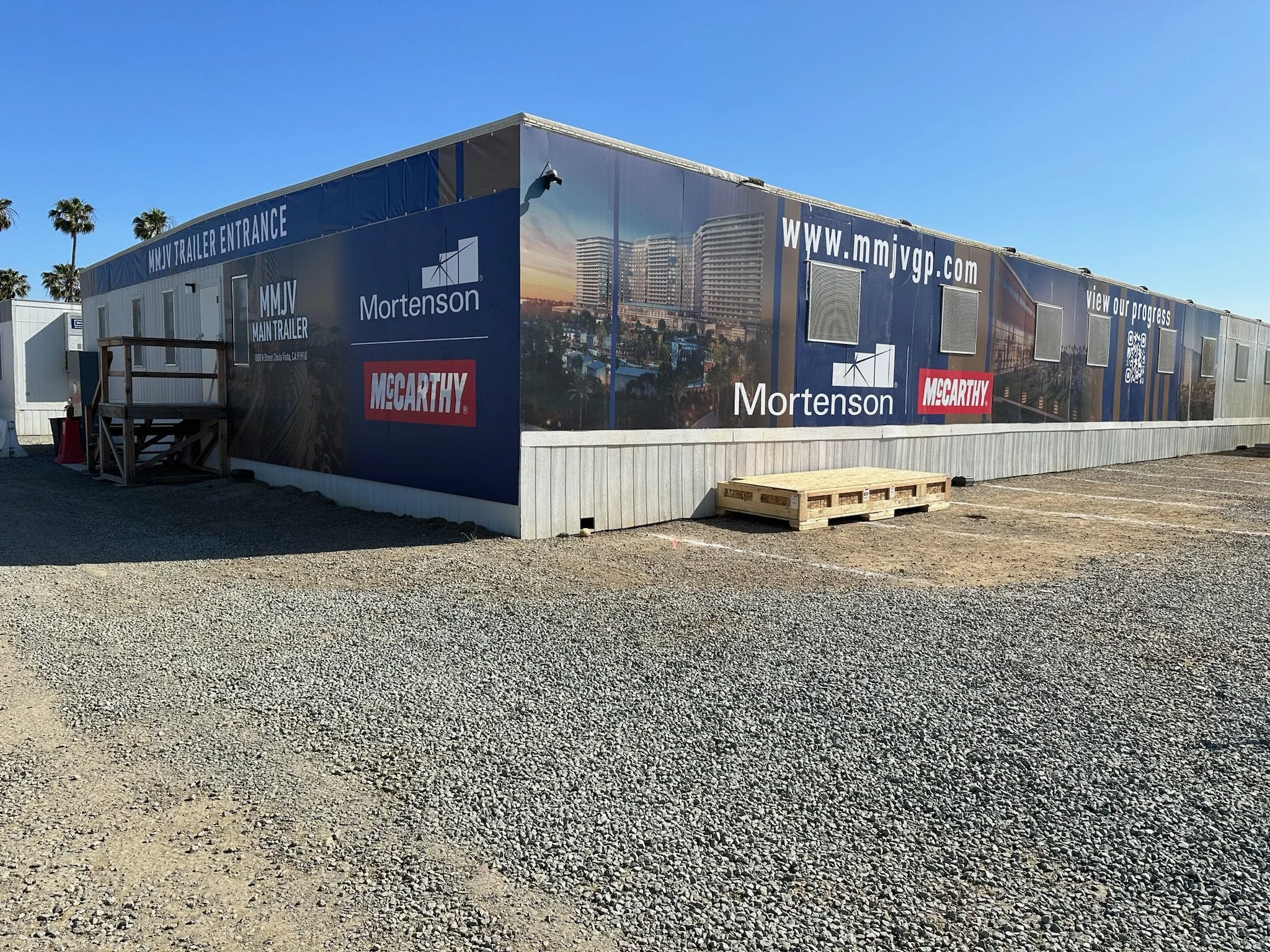
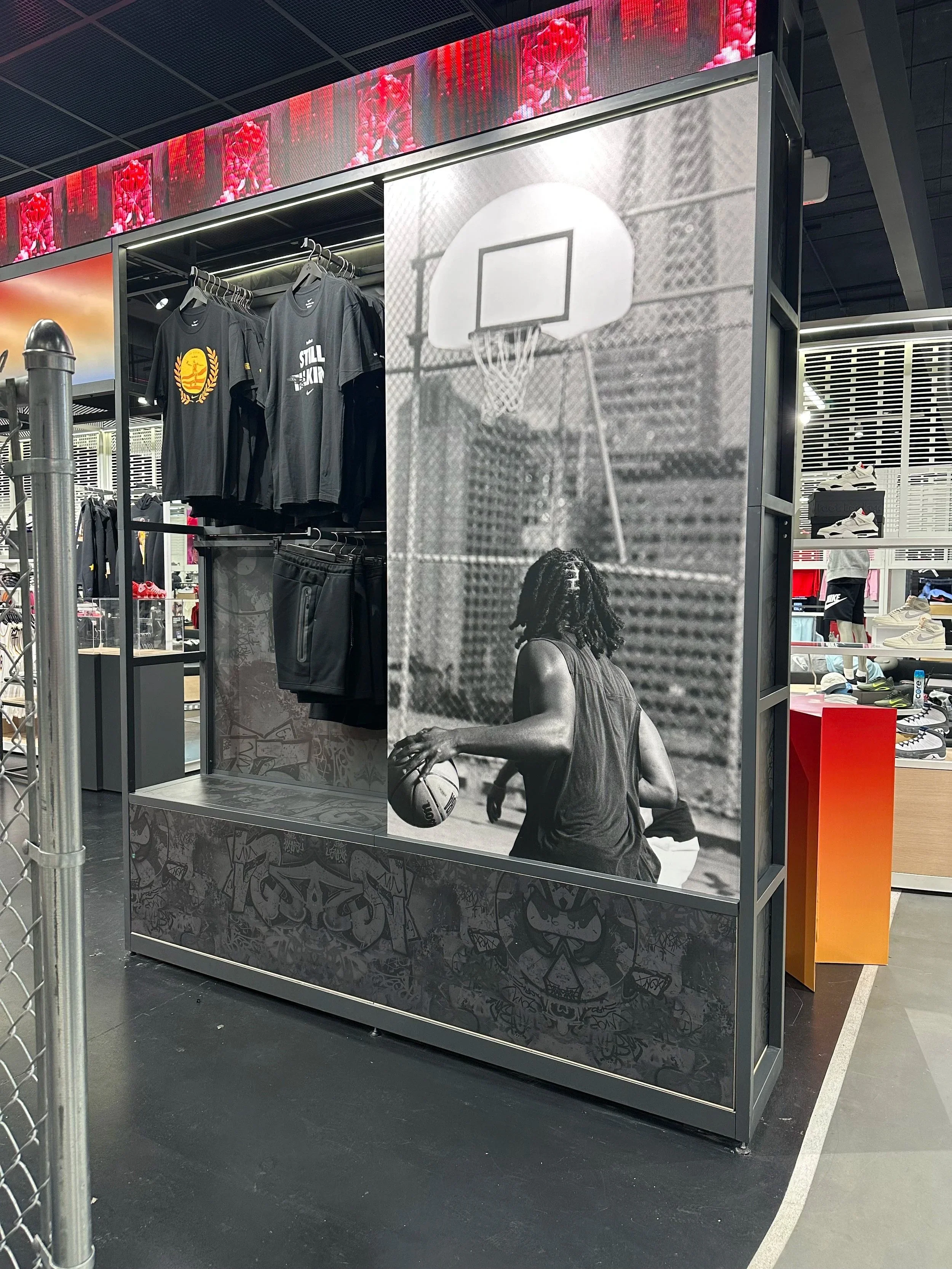

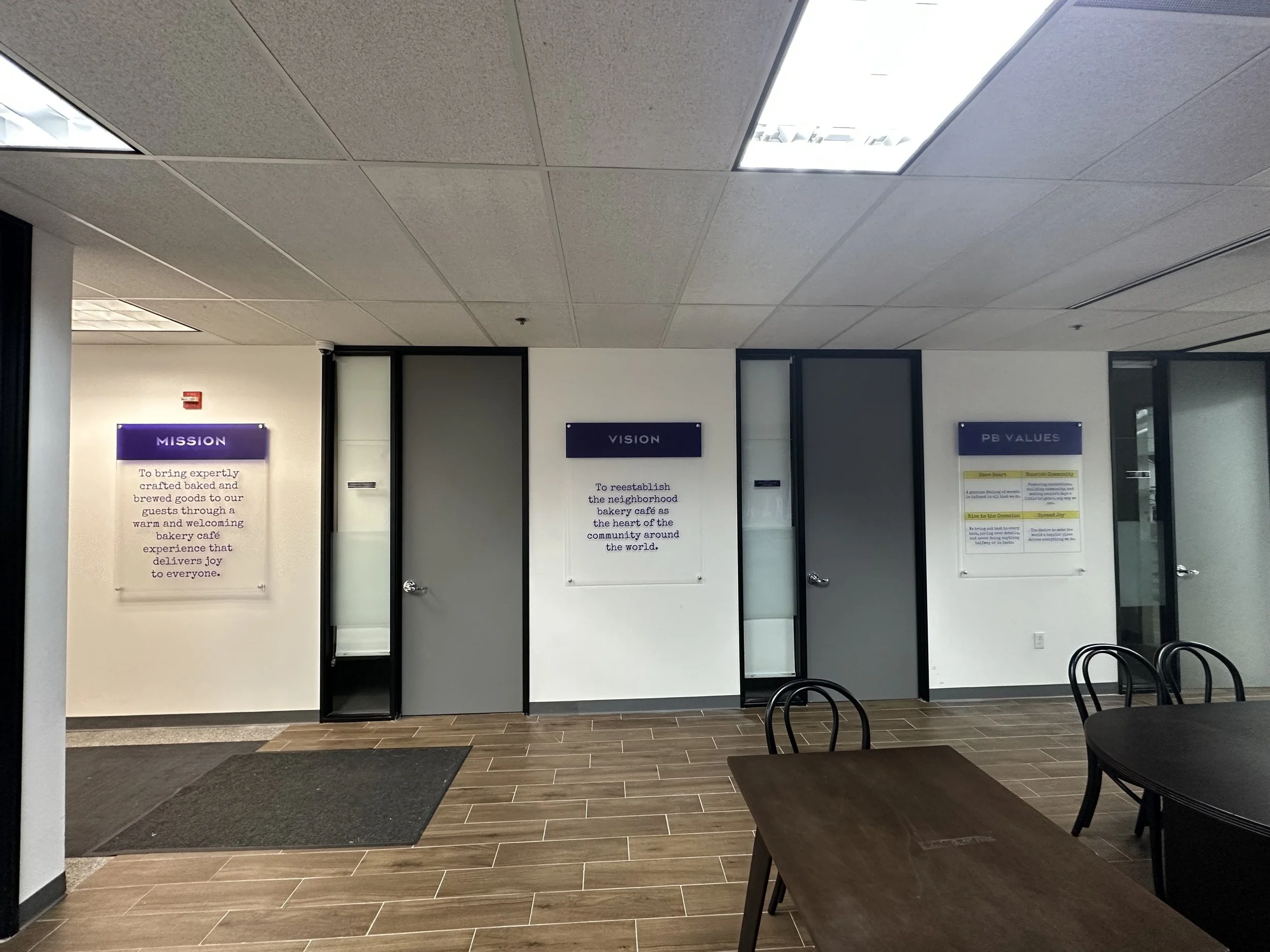
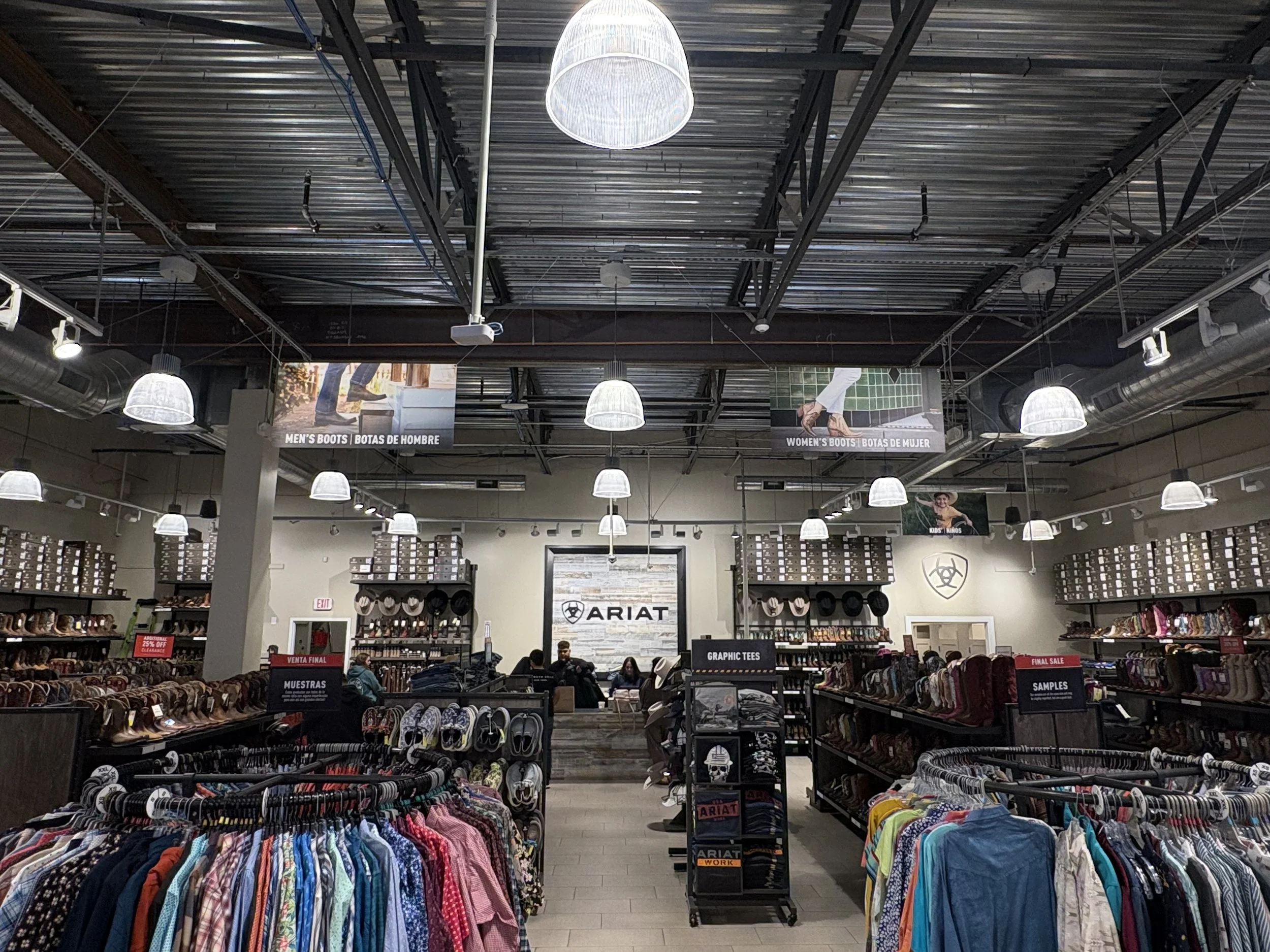
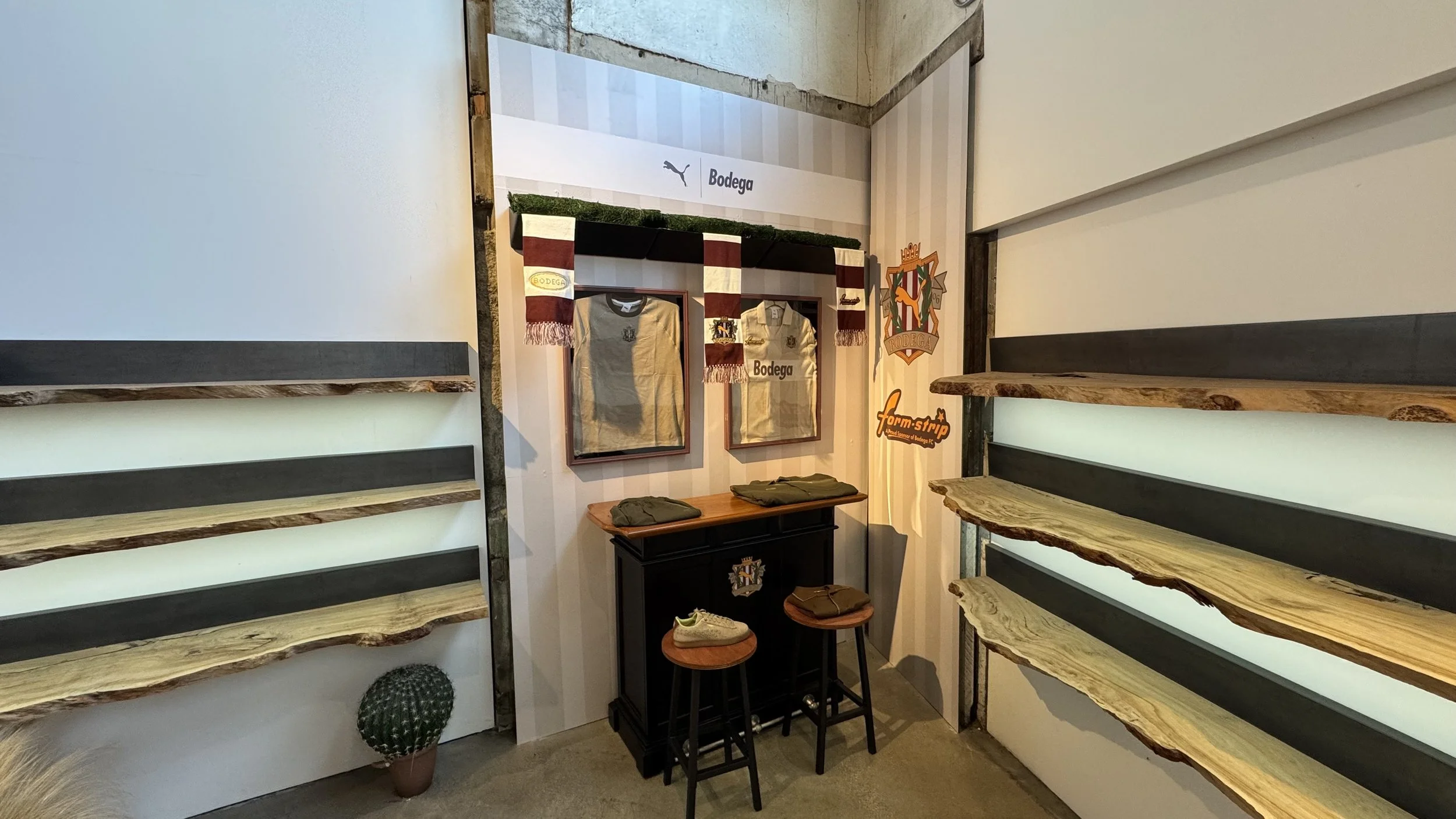
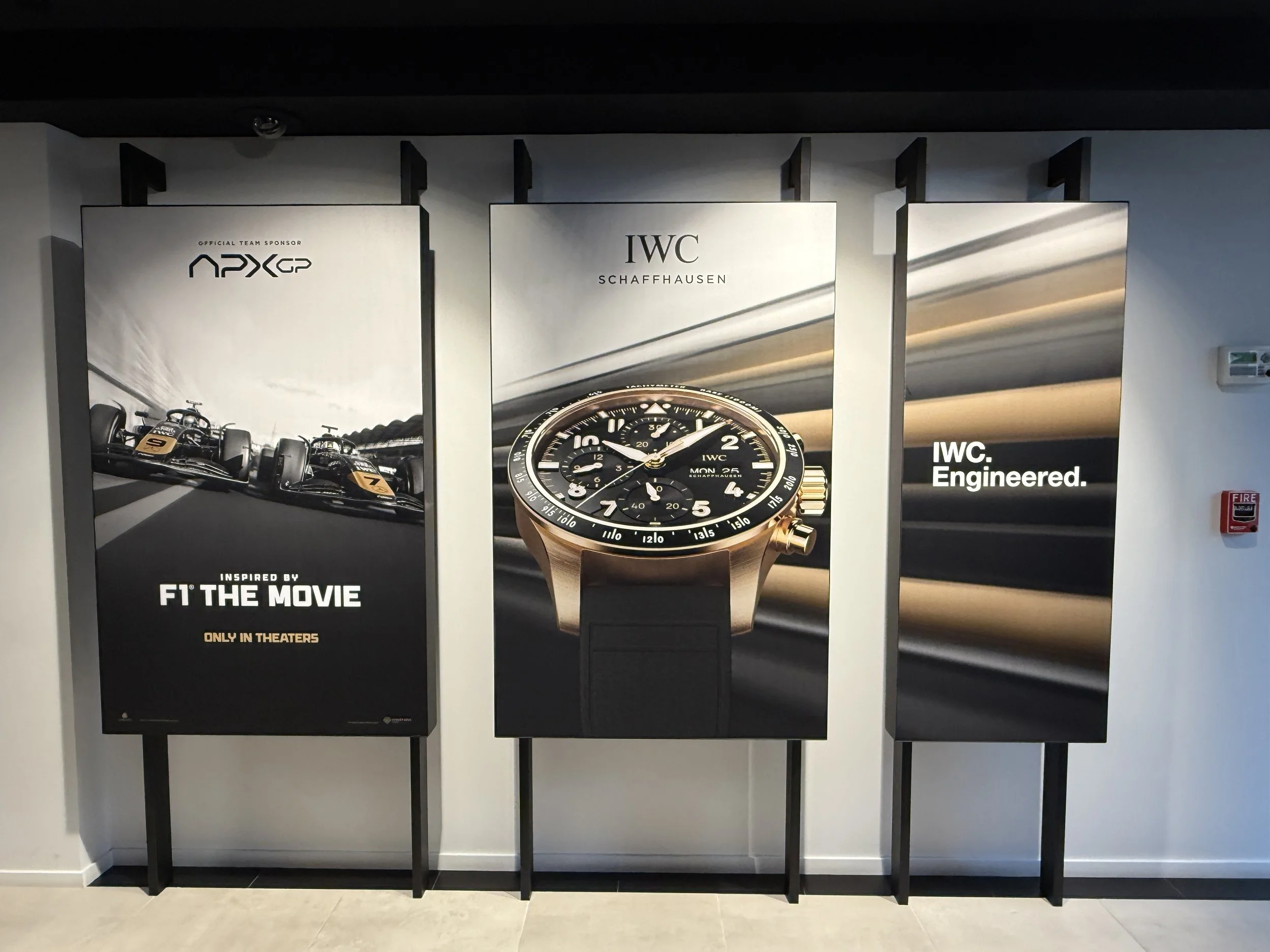
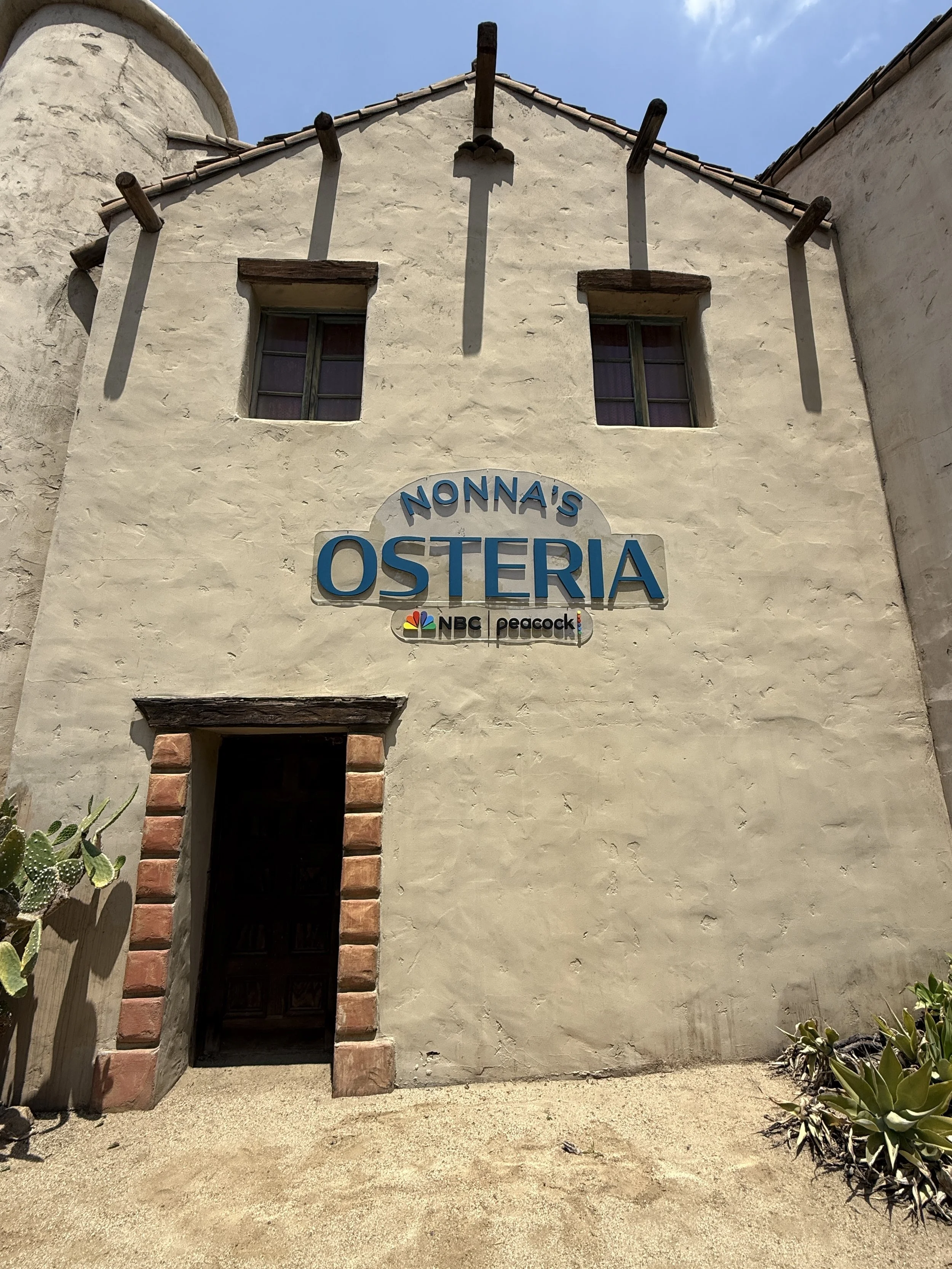
Dimensional Signage and Fabricated Graphics
Rigid printing plays a key role in dimensional signage. Printed panels can be routed, layered, and mounted with stand-offs to create depth and hierarchy within a space.
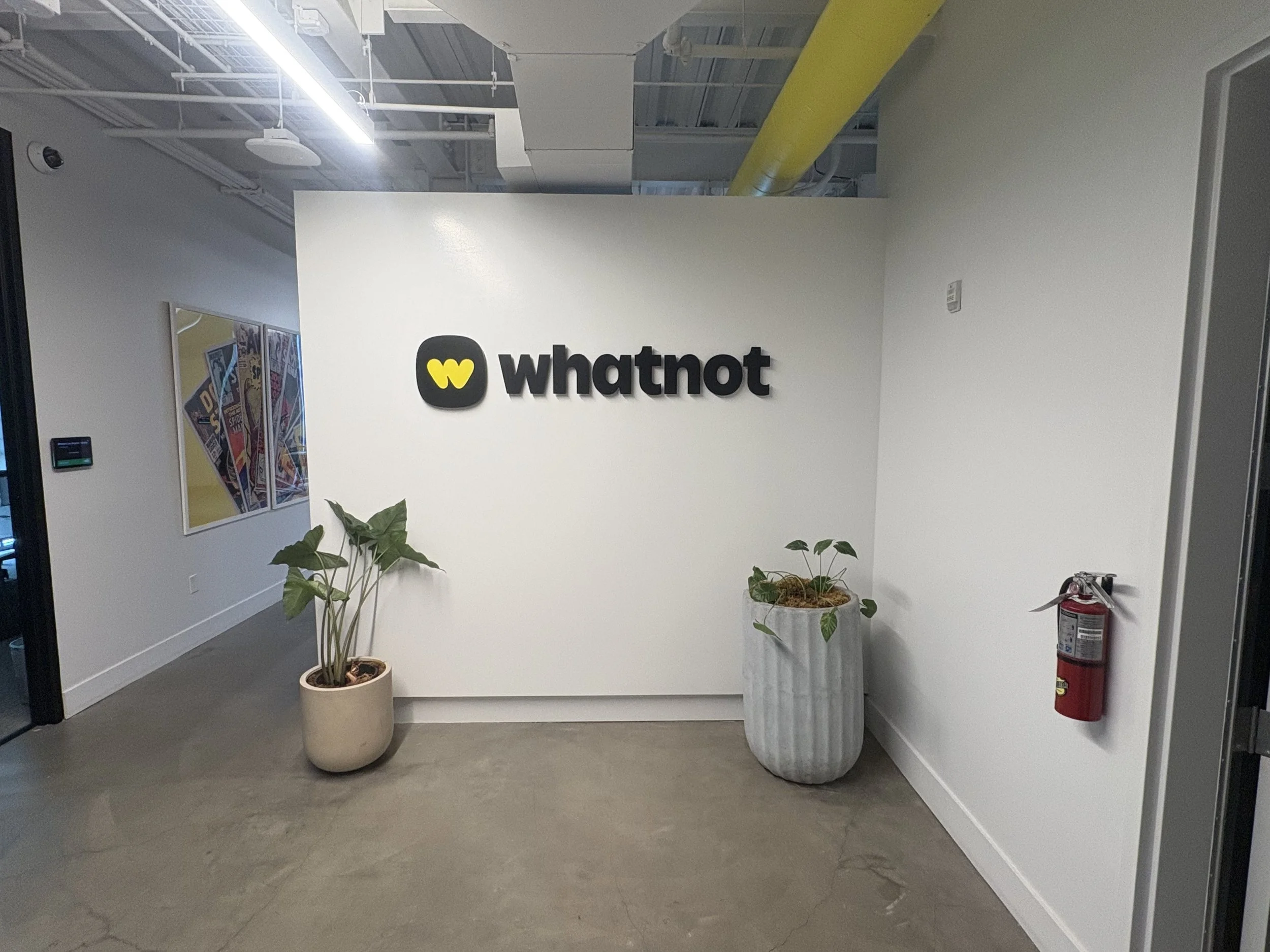
Typical dimensional applications include acrylic logo panels, layered brand walls, routed lettering, and fabricated wayfinding systems. These elements give graphics a more permanent, architectural presence compared to traditional flat vinyl.
Why Rigid Graphics Improve Installation Efficiency
Because panels arrive production-ready, installation becomes faster and more predictable. Graphics can be mounted or mechanically fastened without additional mounting steps, reducing on-site labor and improving consistency across multi-location rollouts.
For retail buildouts and corporate environments, this efficiency translates into cleaner installs, tighter timelines, and fewer field adjustments.
Supporting Rigid Graphics from Production to Installation
Rigid graphics require coordination between how they are printed and how they will ultimately be installed. Mounting methods, seams, wall conditions, and access all influence production decisions.
By aligning print production with certified installation expertise, projects stay on schedule and finished pieces install cleanly and perform long term.
If your next project involves dimensional signage, acrylic panels, POP displays, or architectural graphics, rigid substrate printing offers a durable solution that integrates seamlessly into the space.
📩 installations@vividgraphicsolutions.com
🌐 www.vividgraphicsolutions.com